
By Grander Media | July 2026
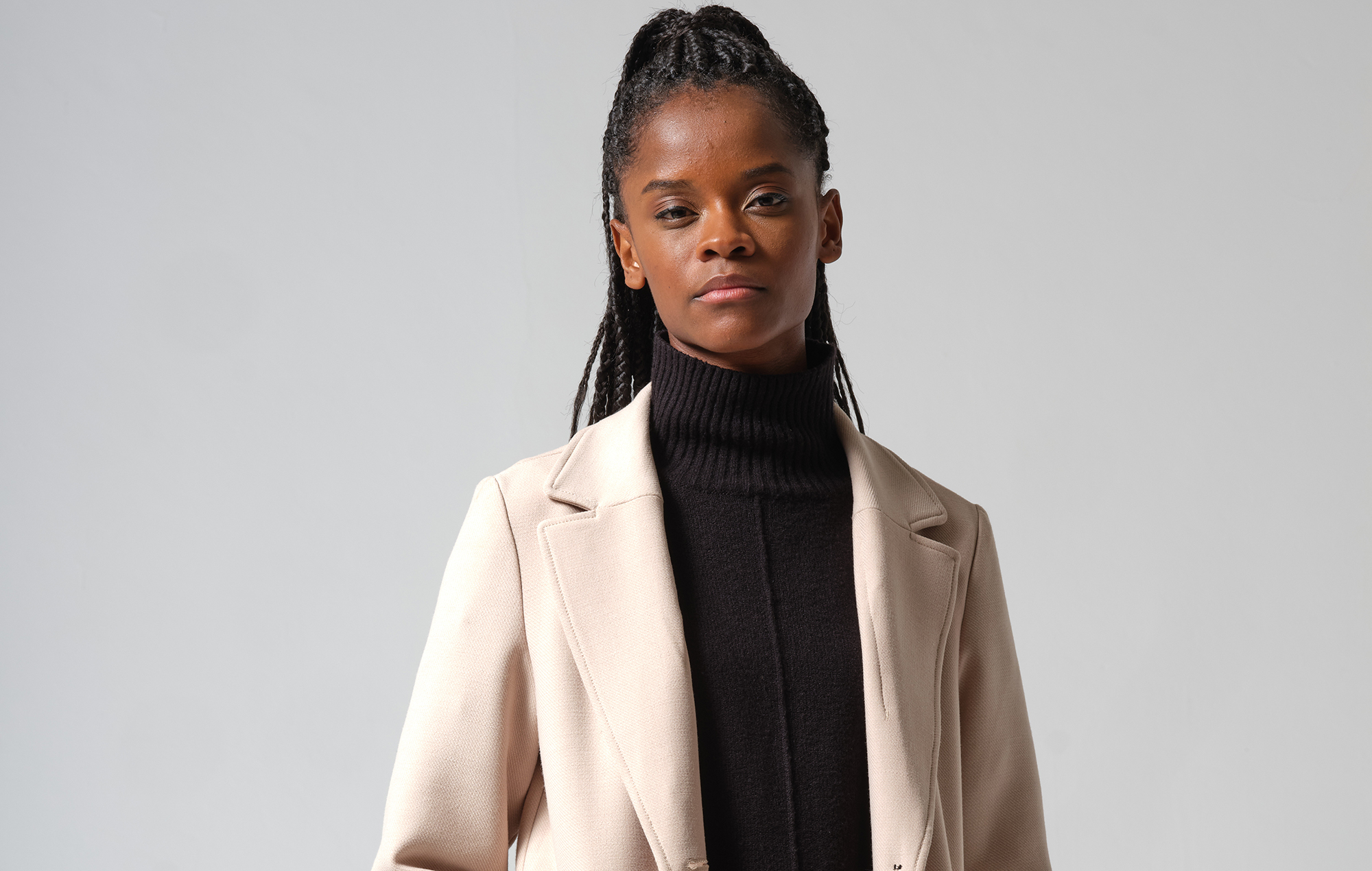
There are movie stars, and then there are cultural figures who quietly redefine what success looks like. Letitia Wright belongs to the second group.
 She doesn’t dominate headlines with controversy or social media theatrics. She isn’t chasing the loudest room in Hollywood. Instead, she’s built a career on something that lasts much longer: thoughtful performances, creative conviction, and an unwavering belief that Black stories deserve the same depth, complexity, and imagination as any others.
In an entertainment industry constantly searching for its next franchise, next sensation, and next algorithm-friendly celebrity, Wright has become something increasingly rare—a leading actor whose greatest strength is authenticity.
That authenticity is exactly why, in 2026, she stands at one of the most fascinating points of her career.
The Weight of a Legacy
Few actors have ever inherited the emotional responsibility that Wright accepted after the passing of Chadwick Boseman.
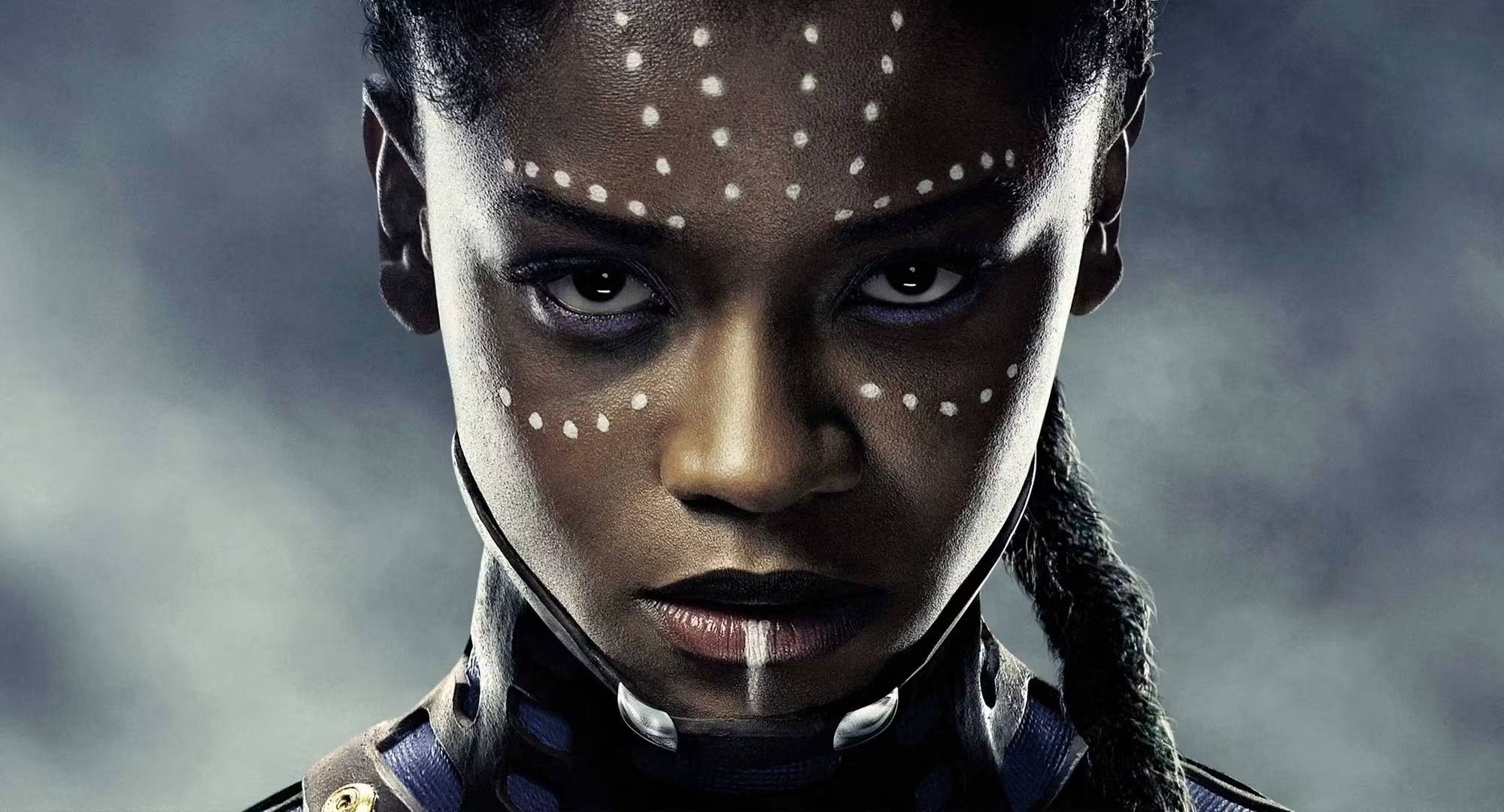
When audiences first met Shuri, she was the brilliant younger sister with the quick wit, infectious humor, and genius-level intellect capable of building technology that rivaled science fiction. By the time Black Panther: Wakanda Forever arrived, that same character had transformed into a grieving daughter, reluctant leader, and ultimately the new Black Panther.
It wasn’t simply another superhero origin story.
It became one of the most emotionally significant transitions in modern blockbuster filmmaking.
Now, with Marvel Studios officially moving forward with Black Panther 3, Wright returns to Wakanda at a pivotal moment for the franchise. The studio has confirmed that British actor David Jonsson will portray the older Prince T’Challa, introducing a new generation while allowing Shuri to continue evolving as Wakanda’s protector and mentor.
Rather than replacing what came before, Wright has become the bridge connecting the franchise’s past with its future.
It’s a responsibility she carries with remarkable grace.
More Than a Marvel Star
 Hollywood often has a habit of placing actors inside comfortable boxes.
Action star.
Comedy star.
Marvel star.
But Wright has spent nearly a decade quietly refusing every label.
Long before audiences knew her as royalty from Wakanda, she was building an impressive résumé filled with intimate dramas, historical stories, and emotionally layered performances that showcased remarkable range. Whether portraying real-life pioneers or fictional visionaries, she consistently gravitated toward characters wrestling with identity, faith, loss, and purpose.
That creative curiosity has now taken her somewhere entirely new.
Taking the Director’s Chair
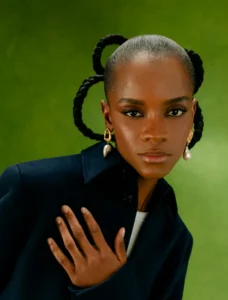 This year marks another significant milestone.
Wright’s directorial debut, Highway to the Moon, has earned Oscar qualification in the Live Action Short Film category, a remarkable achievement for a first-time filmmaker. Rather than making a safe introduction behind the camera, she chose a story exploring grief, violence, hope, and the lives of young Black people navigating difficult realities.
It’s the kind of project that reveals an artist’s priorities.
She’s not directing because it’s fashionable.
She’s directing because she has something to say.
And perhaps that’s the most interesting evolution of all.
Hollywood has always celebrated performers. Increasingly, Wright is becoming something far more influential—a storyteller shaping narratives from the very beginning.
Quiet Confidence in a Loud Industry
Celebrity culture often rewards volume.
The biggest personalities attract the biggest headlines.
The loudest opinions trend the fastest.
Wright has taken another route entirely.
Her interviews remain thoughtful rather than performative. Her public appearances feel measured instead of manufactured. Even at the center of one of the world’s largest film franchises, she projects the calm confidence of someone more interested in meaningful work than momentary attention.
It’s a refreshing contrast in an era where visibility is often confused with substance.
Why Letitia Wright Matters Right Now
Black cinema is experiencing another creative renaissance.
New filmmakers are rewriting genres. Independent creators are finding global audiences. African and Caribbean voices are reaching mainstream platforms without sacrificing cultural authenticity.
Wright stands comfortably at the intersection of all those movements.
Born in Guyana, raised in London, and embraced by audiences around the world, she represents a generation whose understanding of Black identity stretches across continents. Her work reminds audiences that the Black experience isn’t a single narrative—it’s a global conversation filled with different histories, perspectives, and possibilities.
That perspective makes her one of today’s most important creative voices.
The Grander Perspective
At Grander, we often celebrate artists who move culture forward without asking for permission.
Letitia Wright embodies that spirit.
She has become more than an award-winning actor. She is helping redefine what modern Black leadership in entertainment can look like—intelligent without arrogance, ambitious without spectacle, and influential without losing sight of purpose.
As Wakanda prepares for its next cinematic chapter and Wright continues expanding her work behind the camera, one thing has become unmistakably clear.
The next phase of her career won’t simply be about bigger roles.
It will be about building bigger opportunities—for herself, for new storytellers, and for a generation determined to see Black creativity lead rather than follow.
Some actors leave behind memorable performances.
The rare ones leave behind a blueprint.
At just 32 years old, Letitia Wright is already beginning to do both.
Views: 14