
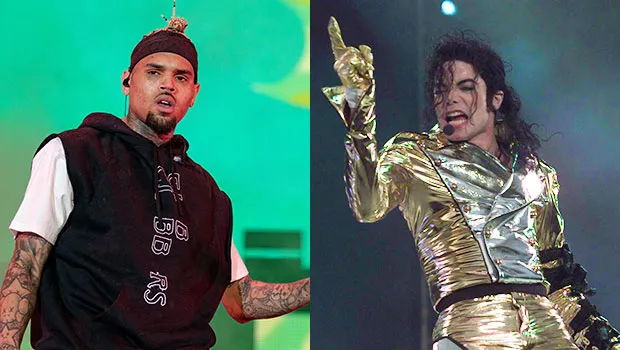
 History doesn’t always arrive with fireworks. Sometimes it shows up quietly—embedded in data, shaped by algorithms, and powered by the way people listen to music now. That’s exactly how Chris Brown has etched his name into the record books, officially surpassing Michael Jackson as the best-selling Black male vocalist in U.S. history, according to RIAA certifications.
The numbers are undeniable. Brown now stands at approximately 163 million RIAA-certified units sold in the United States, edging past Jackson’s 158.5 million. It’s a milestone that reflects not just longevity, but adaptability—an artist built for the streaming era overtaking a legend forged in the age of vinyl, cassettes, CDs, and appointment television.
And yet, the story is far more nuanced than a simple passing of the torch.
A Win Shaped by the Streaming Era
Chris Brown’s catalog is massive, prolific, and relentlessly present. Albums, deluxe editions, collaborations, features, loosies, and digital singles—his output has been both strategic and constant. In an era where streams count as sales, consistency is king, and Brown has mastered the modern release cycle.
RIAA certifications now factor in streaming equivalencies, a system that heavily rewards artists with deep catalogs and high replay value. Brown’s music lives on playlists, radio rotations, TikTok clips, and late-night drives—stacking numbers daily in a way that simply didn’t exist during the peak of Michael Jackson’s career.
This isn’t a critique of the past. It’s context.
Jackson’s era demanded something different: fewer releases, bigger moments, global spectacle. Albums weren’t just projects—they were cultural events. Thriller didn’t benefit from streaming math; it dominated through physical sales, worldwide reach, and generational impact.
U.S. Rankings vs. Global Reality
It’s important to be precise about what this milestone represents—and what it doesn’t.
In the United States, Chris Brown now ranks:
#1 among Black male vocalists
#3 among all male vocalists, behind only Elvis Presley and Luke Combs
Globally, however, the hierarchy remains unchanged.
Michael Jackson is still the best-selling artist in world history, with estimates exceeding one billion records sold worldwide. No algorithm, platform shift, or certification recalibration has altered that reality. Jackson’s music transcended borders, formats, and generations—often without the benefit of modern distribution tools.
Two Careers, Two Eras, Two Definitions of Greatness
Comparing Chris Brown and Michael Jackson is less about competition and more about evolution. One represents mastery of the digital ecosystem; the other reshaped pop culture itself.
Brown’s achievement speaks to:
Longevity in a fast-moving industry
Mastery of the streaming economy
Relentless productivity and adaptability
Jackson’s legacy speaks to:
Global cultural dominance
Era-defining artistry
A level of influence that still sets the blueprint
Both truths can coexist.
The Bigger Picture
This milestone isn’t about dethroning a legend—it’s about recognizing how the music business has changed. Sales are no longer just transactions; they’re behaviors. Streams, playlists, and digital consumption have rewritten what success looks like, and Chris Brown has navigated that shift with precision.
At the same time, Michael Jackson remains the measuring stick—not just for sales, but for impact. Numbers may fluctuate with technology, but cultural gravity is harder to quantify.
And in that sense, history hasn’t been replaced—it’s simply expanded.
Grander Magazine will continue to track how legacy, innovation, and ownership intersect in the modern music economy—because milestones like this aren’t just about who sold more. They’re about when, how, and why the game keeps changing.
Views: 236