
By Doug D. Sims
Do you know how excited I used to get when I brought home a new album?
Not just excited to hear it—but excited to experience it.
Back then, music wasn’t background noise. It was an event.
I would drop the needle, sit down on the steps of 619 Amity Street while I was in high school, and read the liner notes while the music played. I’m talking about spending hours there—flipping through credits, studying every word, letting the sound wash over me while I learned who made the magic happen.
Those steps were my classroom.
Those liner notes were my textbooks.
Albums from groups like One Way, O’Bryan, Egyptian Lover, Shalamar, Mary Jane Girls, and the smooth guitar brilliance of Paul Jackson Jr.—man, the list just goes on and on.
Every album was a discovery.
Reading those liner notes was like going to school without even realizing it. I wasn’t just listening—I was learning. Learning who produced the track. Who played bass. Who engineered the session. Who arranged the horns. Even the photographers who captured those iconic album covers.
Before long, certain names started showing up again and again. That’s when it clicked—this wasn’t random. This was craft. This was collaboration. This was a network of greatness working behind the scenes.
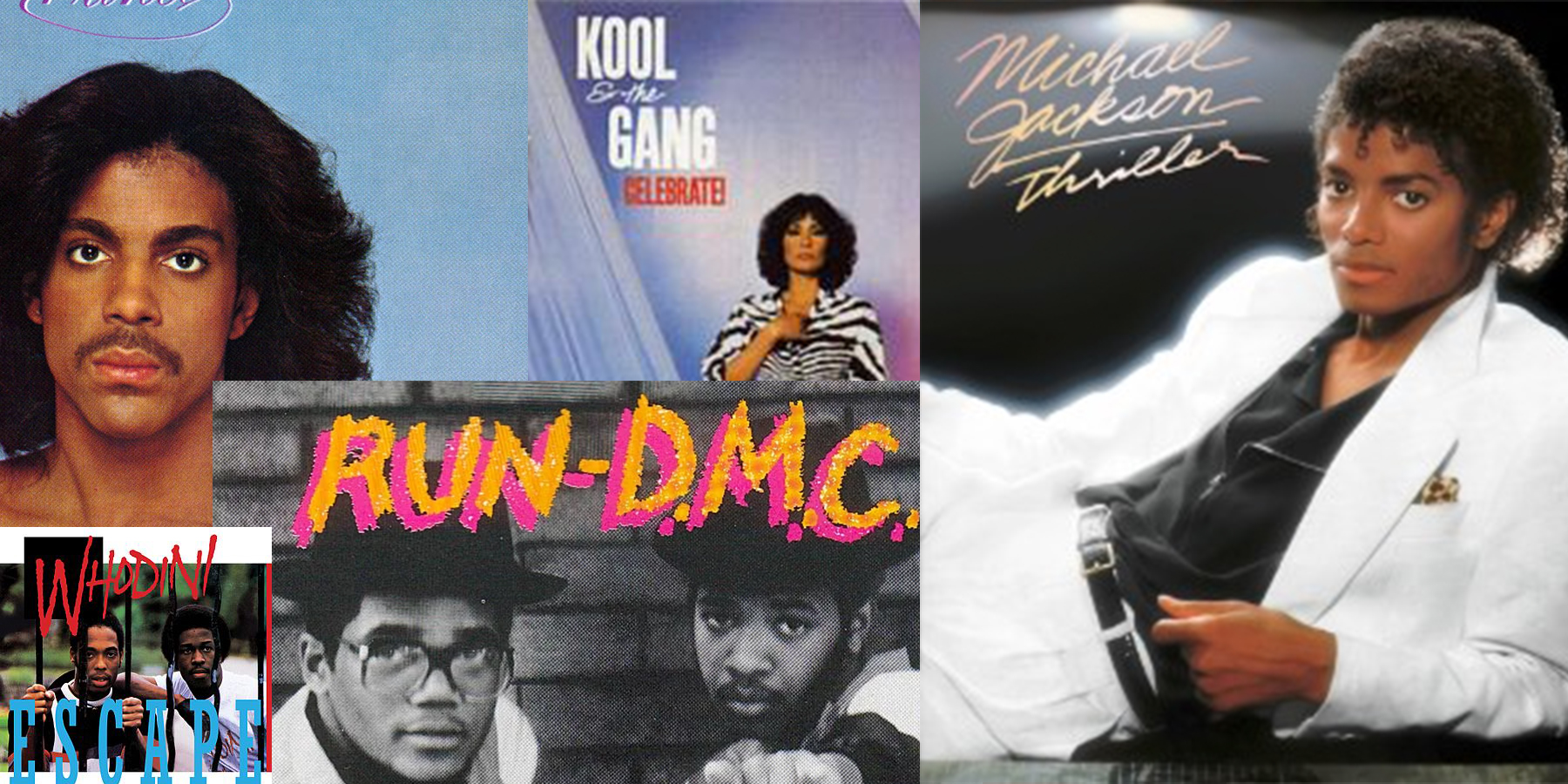
I started recognizing the names tied to legends—Kool & the Gang, Prince, Michael Jackson, Whodini, and of course Run-D.M.C..
“I’m the King of Rock, there is none higher…”
That line didn’t just come out of the speakers—it echoed through the culture. It made you feel like you were witnessing something bigger than music. It was identity. Confidence. Declaration.
The liner notes were more than credits.
They were history lessons.
Blueprints.
Introductions to the people behind the sound.
They taught me that music wasn’t magic—it was discipline. It was teamwork. It was intention.
And without realizing it, those liner notes were shaping me.
They taught me to pay attention to details. They taught me that greatness doesn’t happen by accident—it has names attached to it. Producers. Musicians. Engineers. Creators. People who rarely stood in the spotlight but made the spotlight possible.
Looking back now, I realize the liner notes were one of the most important parts of the album experience. Not just for the music—but for the education.
Because before streaming…
Before algorithms…
Before playlists decided what you heard next…
There was patience.
There was curiosity.
There was discovery.
There were liner notes.
And for a kid sitting on the steps at 619 Amity Street flipping through those pages while the needle rode the groove, those notes meant everything.
They didn’t just tell me who made the music.
They showed me how greatness was built—one name at a time.
Views: 4